


Governance is what lets an organisation say yes to agents. Without it, every agent is either kept in a demo or trusted on faith. With it, the questions a board, an auditor or a customer will ask — who acted, what was it allowed to do, how do we know it works, who decided — have answers that already exist, because the work itself produced them.
In the Guild, governance is not a document added at the end. Every action has an owner, a boundary and a measurable outcome. Human Wizards set direction, agents execute within scope, the Citadel keeps every action, approval and exception visible, and autonomy rises only when the evidence supports it.
Questions this topic answers
- Which agents do we run, who owns each one, and what may each do?
- Which decisions must stay with a person, and how is that enforced?
- What evidence should we see before an agent gets more autonomy — and what takes it away again?
- What would we show a board, an auditor or a customer who asked?
- What happens when a model, prompt or tool changes?
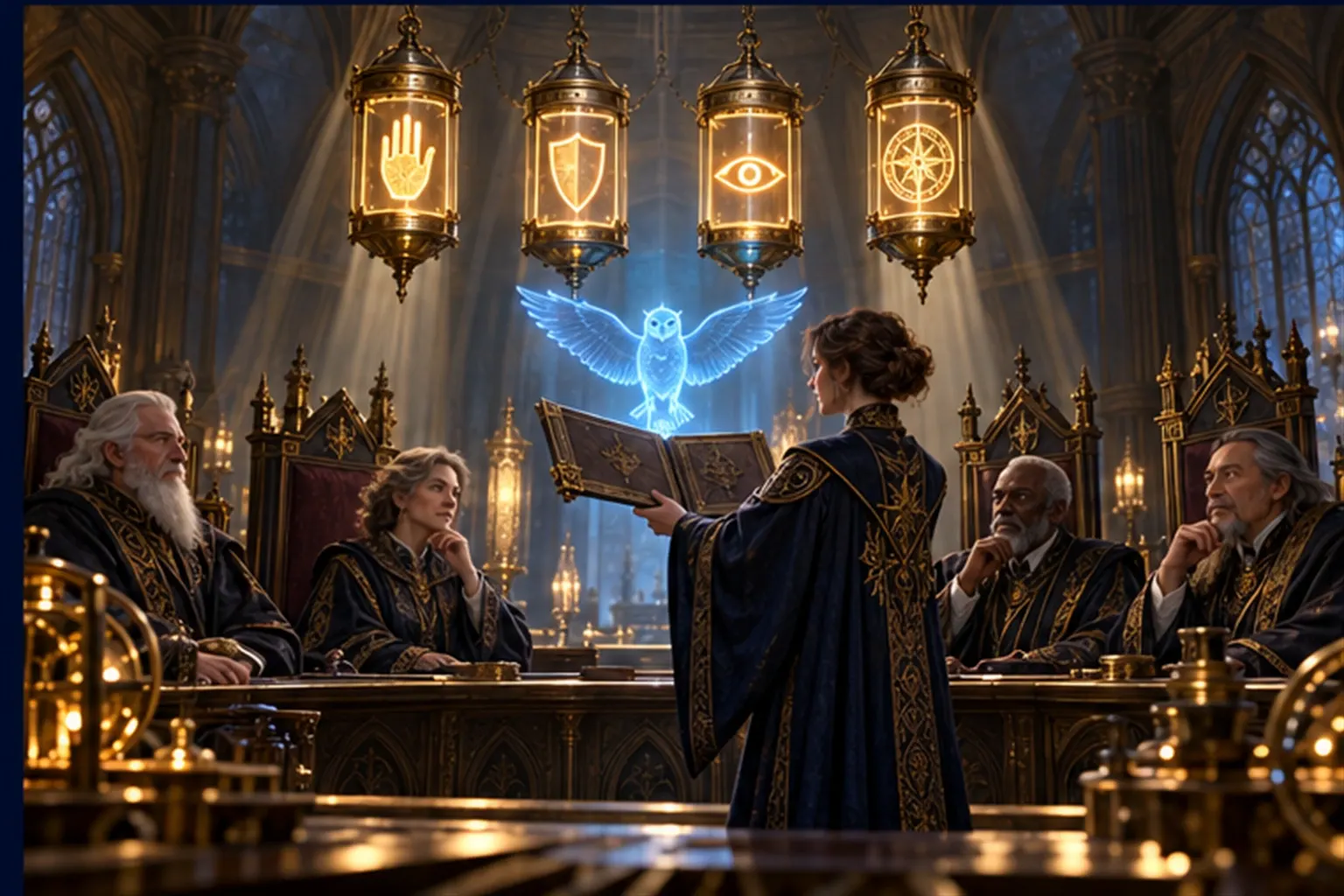
Start here
- A board-ready AI control model — four questions every agent must answer, and a board pack short enough to read.
- The Governed Agent Blueprint — seven decisions every production agent needs, from the job to the operating owner.
- The Citadel Trust Model — how autonomy is earned level by level, and what steps it down.
- Human Approval Patterns for AI Agents — Field Guide 014: where a person must decide, and how to keep it fast.
- AI Governance Implementation — Field Guide 037: policies, permissions and audit trails that hold up in production.
- Citadel operating architecture — how the Guild's own operating layer builds governance into every layer.
Key ideas
- Named ownership — every agent has a person accountable for it in production.
- The register — every agent that can act, with its mission, owner, risk tier and autonomy level.
- Autonomy levels — Observe, Assist, Operate, Optimize; granted per action, on evidence, by a person.
- Approval gates — consequential actions wait for a named person who sees the evidence.
- Policy as configuration — rules precise enough to be enforced outside the agent.
- The record — an append-only trail of actions, approvals, policy decisions and changes.
- Change control — a new model, prompt, tool or knowledge source makes a new agent until it has been evaluated again.
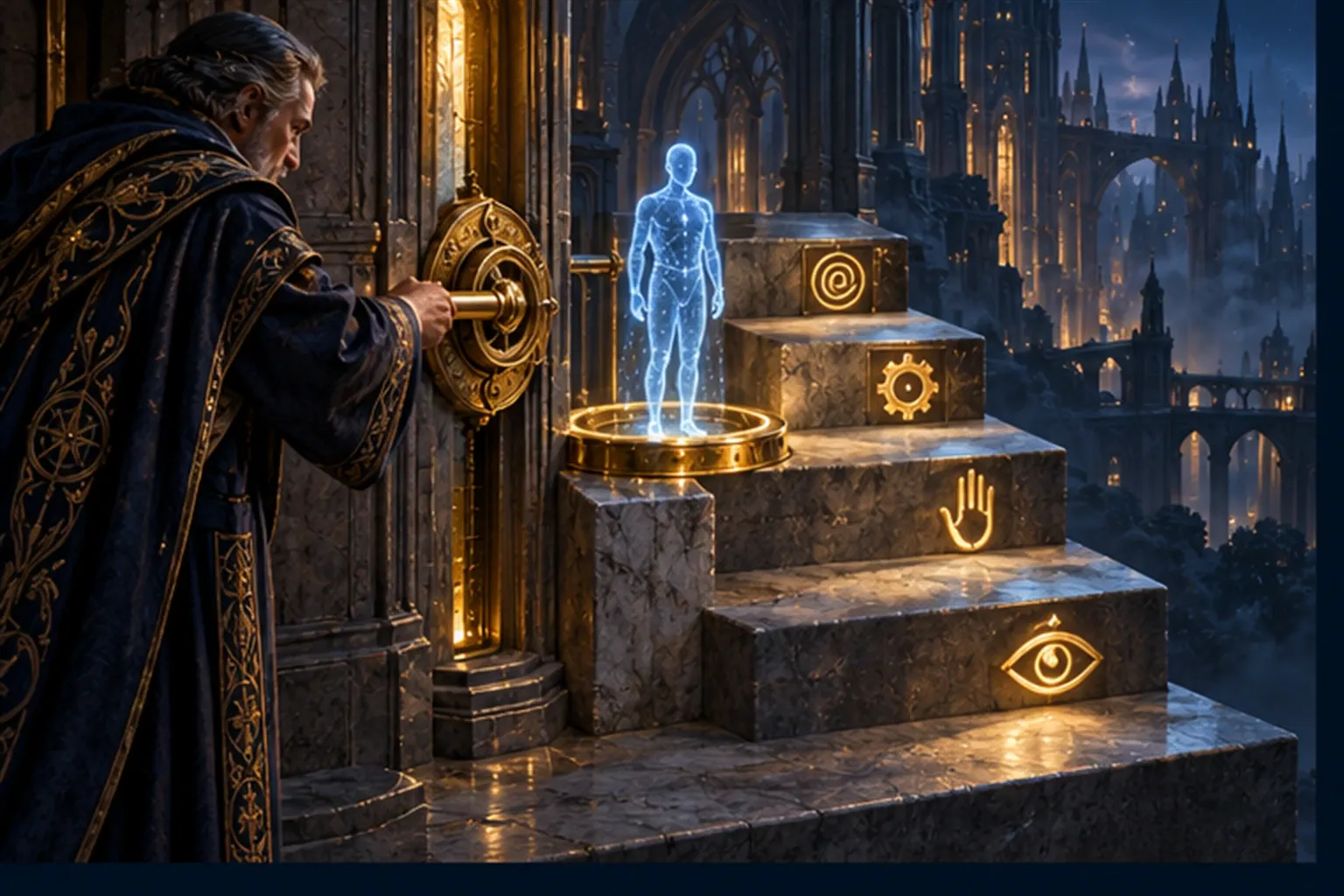
If you only do three things
- Write the register. Every agent that can act, with its owner. You cannot govern what you have not listed.
- Put the rules outside the agent. Limits and approvals enforced at the tool boundary, not requested in a prompt.
- Record every change of autonomy. Who moved which agent to which level, on what evidence. That habit answers many of the questions an auditor will ask.

Who knows this topic
- Athena — mission definition, intake quality and the human approval points. Owns the mission in the Evaluation Lab.
- Sentinel — security, permissions, policy adherence and escalation rules. Owns the boundaries.
- Oracle — the measures that show whether an agent deserves more autonomy. Owns the scorecard.
The decision to deploy, and accountability for it, stays with a Human Wizard.
Where this knowledge is put to work
For many organisations the problem sounds like this: we want AI, but we can't risk losing control. The Guild's answer is evaluation, governance and the Citadel. Security, trust & governance sets out the controls; the Citadel is where missions, approvals and the activity ledger live; the Evaluation Lab measures whether an agent is ready. A Guild Assessment is the place to start mapping your own.