Cloud and DevOps is the work of building foundations that stay resilient as a business grows, and of running them well afterwards. The Guild's approach starts from a map: what runs where, what depends on what, what it costs and how it recovers when something fails. Security, cost, observability and recovery are designed into the system, not added after the first incident.
Agents add new demands to the same foundations. They need identities of their own, credentials that can be revoked in one step, environments where they can be tested before they act, and monitoring that covers what they do as well as whether they are running.
Questions this topic answers
- What do we run, and what depends on what?
- How do we migrate without a single big-bang cutover?
- Would we actually recover from a failure, and when did we last try?
- Where does the cloud bill go, and is each part tied to something of value?
- Who owns monitoring, incidents and security posture after launch?
- Where should an agent run, and how far can its credentials reach?

Start here
- A Calm Digital Operations System — the minimum monitoring, ownership and change practices a growing company needs.
- Cross-account AWS agent deployments — on AWS the account is the strongest boundary you have; how to let agents act across accounts through narrow, attributable, short-lived roles.
- Agent regression test framework — the release gate for agents: proving that a change has not made one worse.
- From SaaS Idea to First Revenue — the thinnest system that can take money, and the infrastructure that can wait.
For the security side of the same foundations, see Cybersecurity.
Key ideas
- Map before you move — know what moves together before migrating anything.
- Infrastructure as code — environments defined in code, reviewed and versioned, so they can be rebuilt and compared.
- Reversible stages — migrate and modernise in tested steps, each of which can be rolled back.
- Recovery is designed in — backups restored on a schedule, runbooks written before they are needed, failure paths tested.
- Observability — health, performance and cost visible for every system, service and agent, without someone having to go looking.
- Cost follows architecture — spend tied to what each part of the system does, and reviewed regularly.
- Isolation and short-lived access — workloads and agents get their own identities, and often their own accounts, with credentials that expire and can be revoked at once.
- Owned operations — after launch someone is responsible for monitoring, incidents, patching and security posture, with a named escalation path.
Who knows this topic
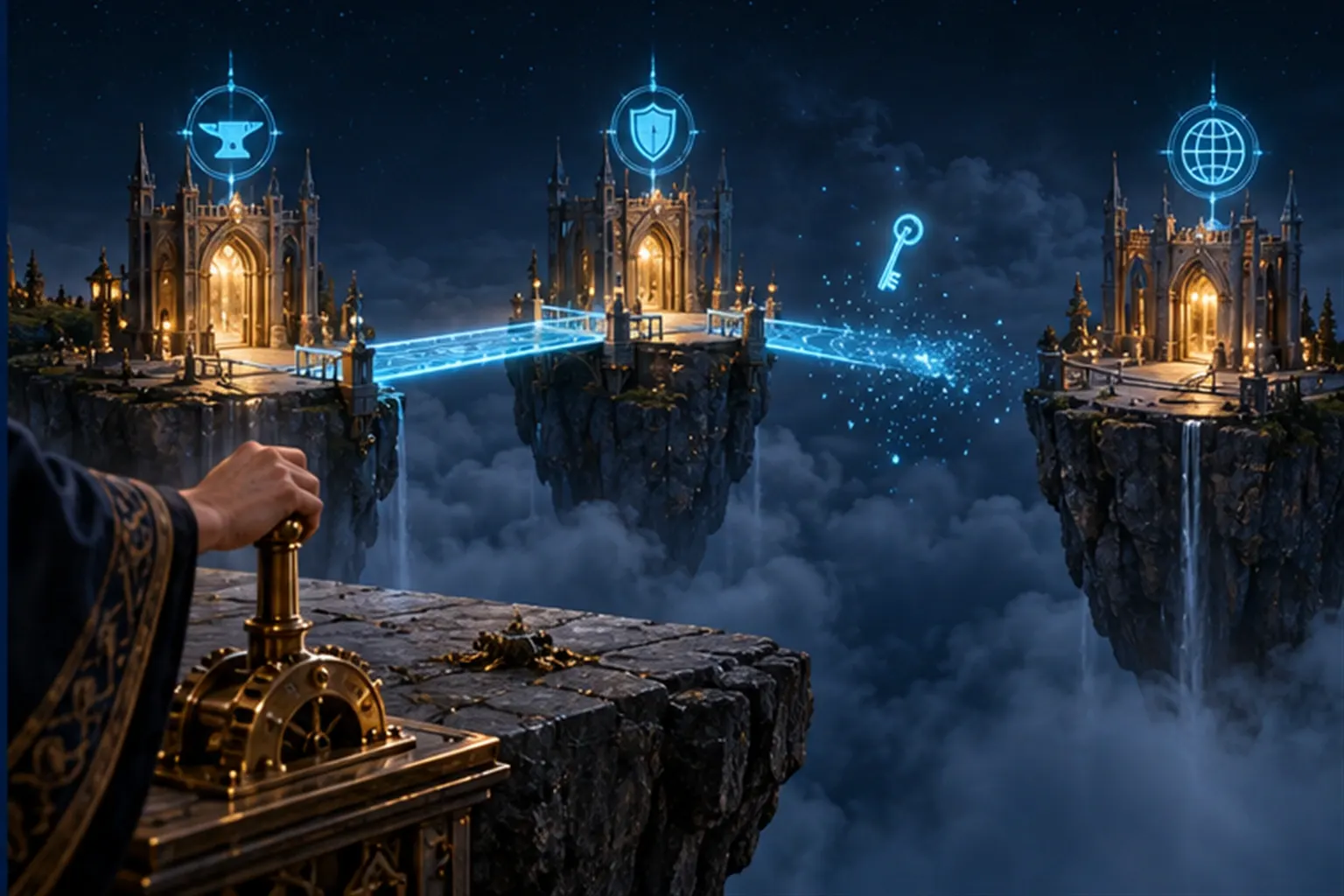
- Atlas — the cloud map and its dependencies.
- Sentinel — security and resilience: watches every production boundary.
- Hephaestus — infrastructure delivery.
- Oracle — performance and cost insight.
Cloud architects govern the target state; the agents map, build, watch and measure. The accountable human role is the Cloud Wizard, who designs cloud architectures that scale without breaking and owns security, reliability and cost optimisation.
Where this knowledge is put to work
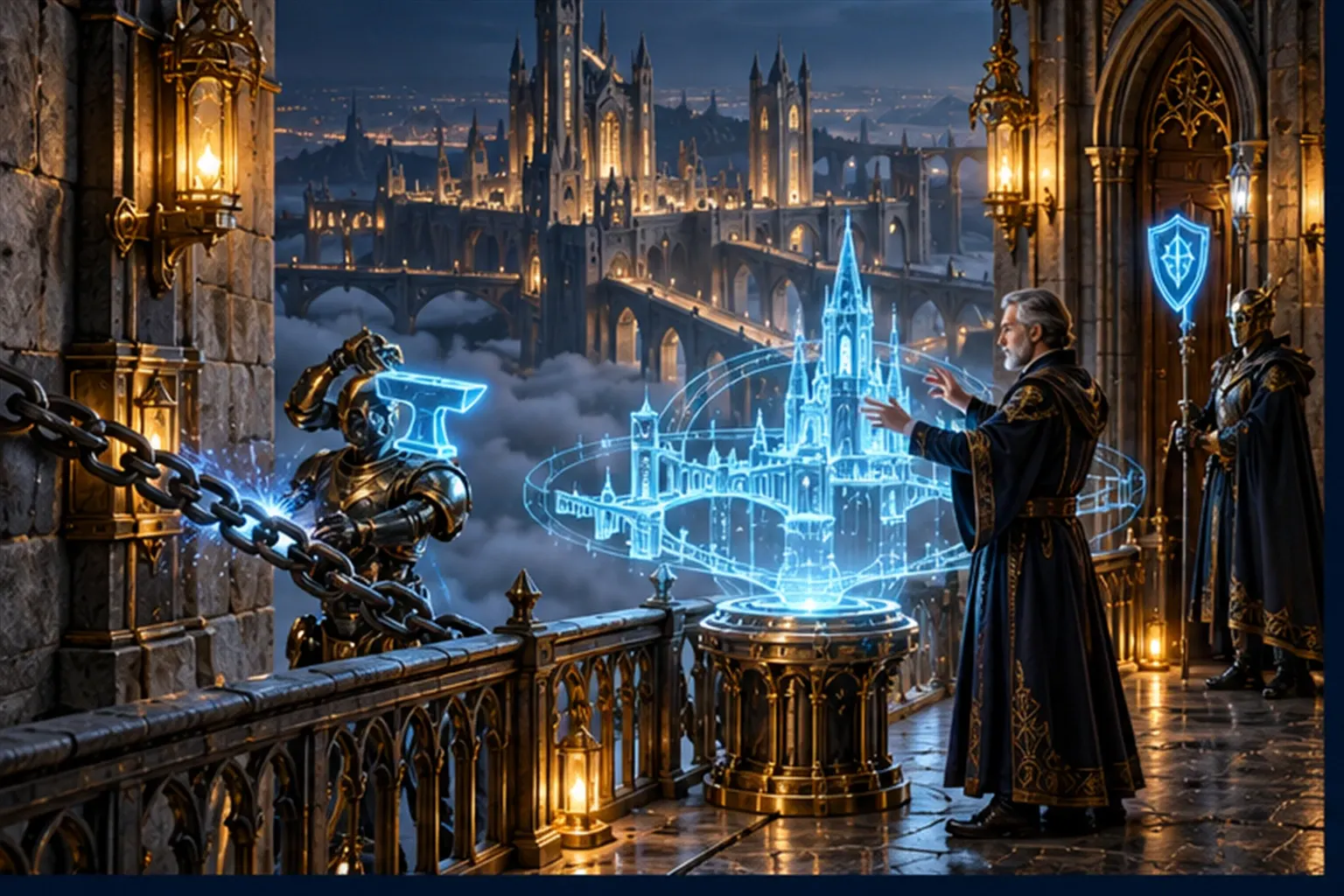
Cloud & DevOps starts with a readiness audit of architecture, security posture and cost, moves through migration and modernisation in tested, reversible stages, and can continue as managed DevOps and SRE. Managed operations and managed digital operations put the Guild in charge of running the systems, with continuous monitoring and accountable human escalation.
Spending more time on infrastructure than on the product? Find out what you run, what it costs and how it recovers — in that order.