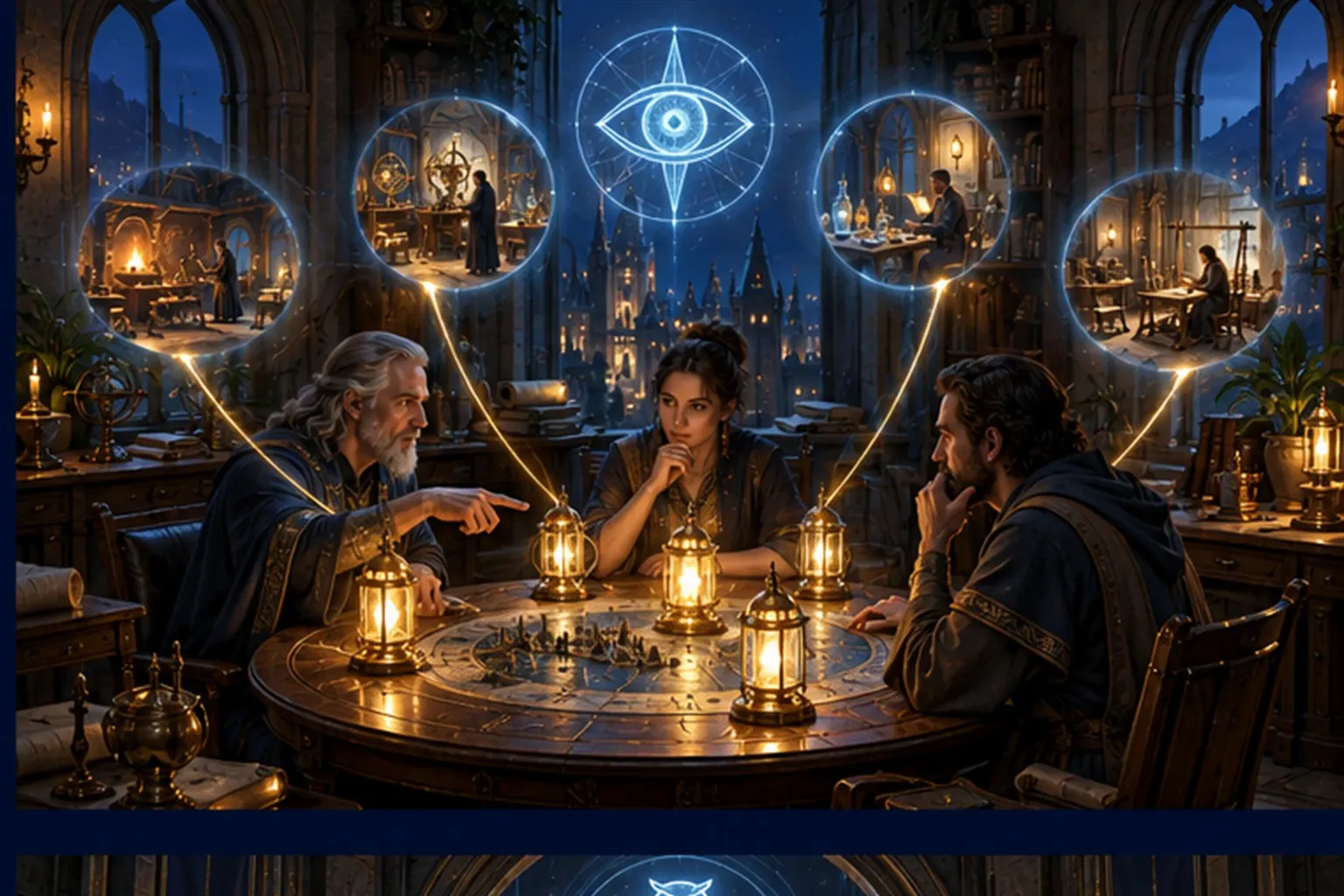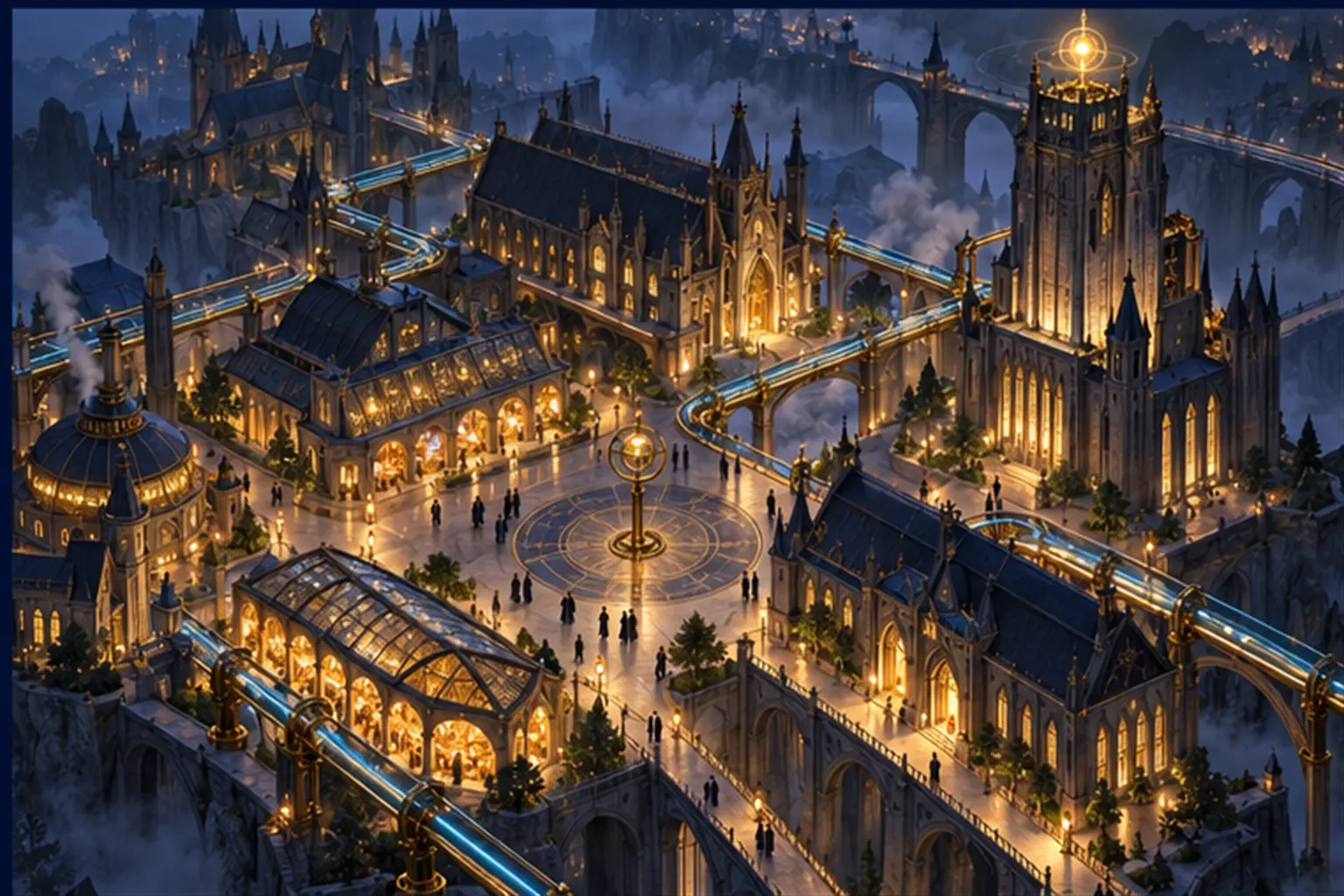
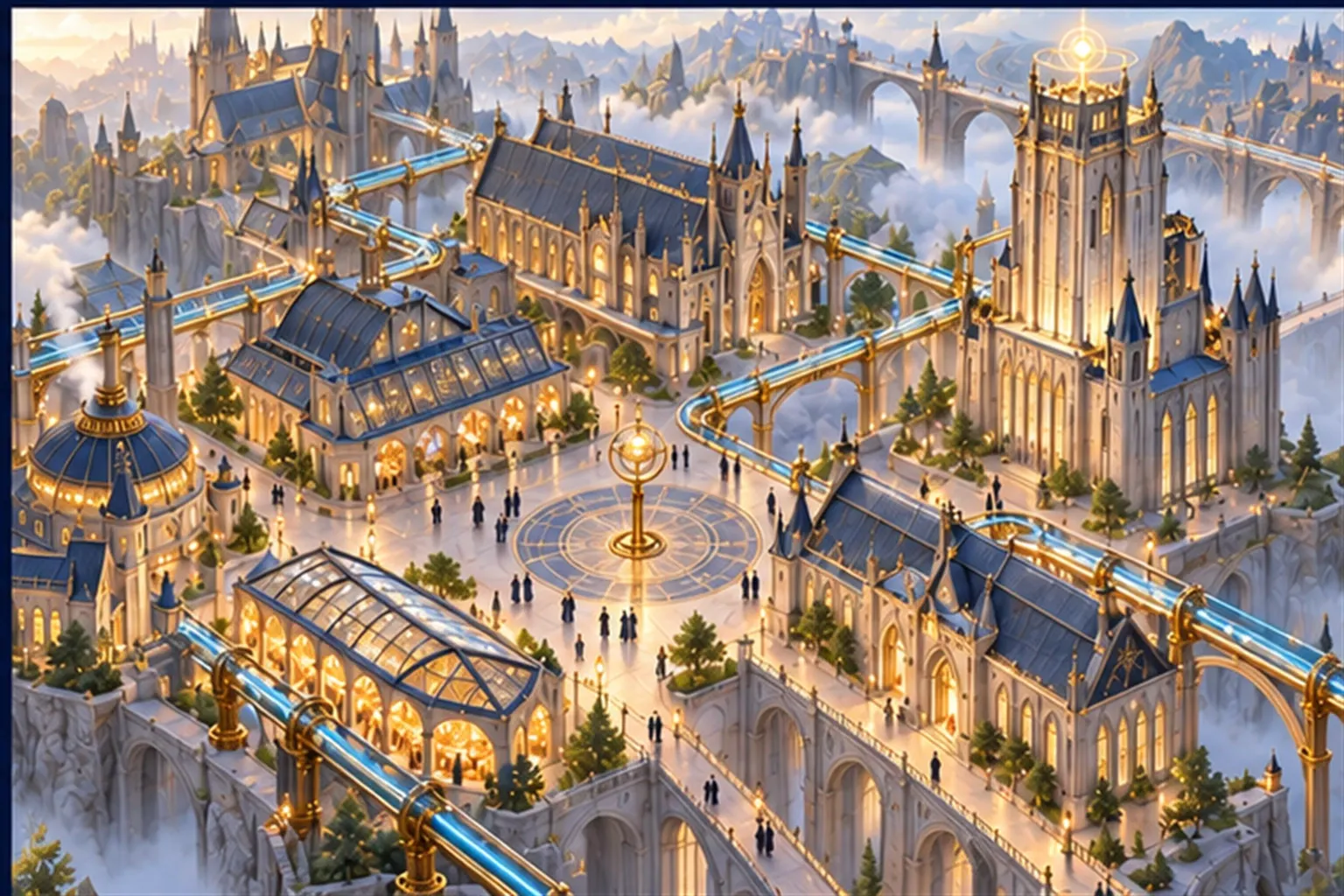
Every business runs on a set of systems: a CRM, an accounting or ERP package, a shop or booking platform, a support desk, a website, HR and payroll, a collection of spreadsheets, and now AI agents. Each is usually fine on its own. Most operational problems live in the gaps between them — data re-keyed by hand, records that disagree, integrations nobody owns, and changes in one system that quietly break another.
The Guild treats these systems as one estate: which system holds the truth for each kind of data, how they connect, who owns what, and how to change any of them without stopping the business. Agents make the gaps more expensive, because an agent acting on a stale or conflicting record acts on it quickly and at volume.
Questions this topic answers
- Which system should be the record for each kind of data?
- Should we connect systems directly, sync them on a schedule, or use events?
- Who owns each system and integration, and what happens when they are away?
- How do we change one system without breaking another?
- Where do agents fit into an estate that already has too many moving parts?
Start here
- The hidden cost of disconnected business systems — where the cost hides, why agents make it larger, and how to make it visible.
- Designing Event-Driven Business Operations — Field Guide 021: moving work between systems with events, instead of people or brittle point-to-point links.
- Why automation without process design fails — why connecting systems starts with the process, and with knowing which system is the record.
- A Calm Digital Operations System — the inventory, ownership, monitoring and change practices that keep an estate stable.
- Building a modern company Knowledge Center — the knowledge scattered across your systems, brought into one governed home.
Key ideas
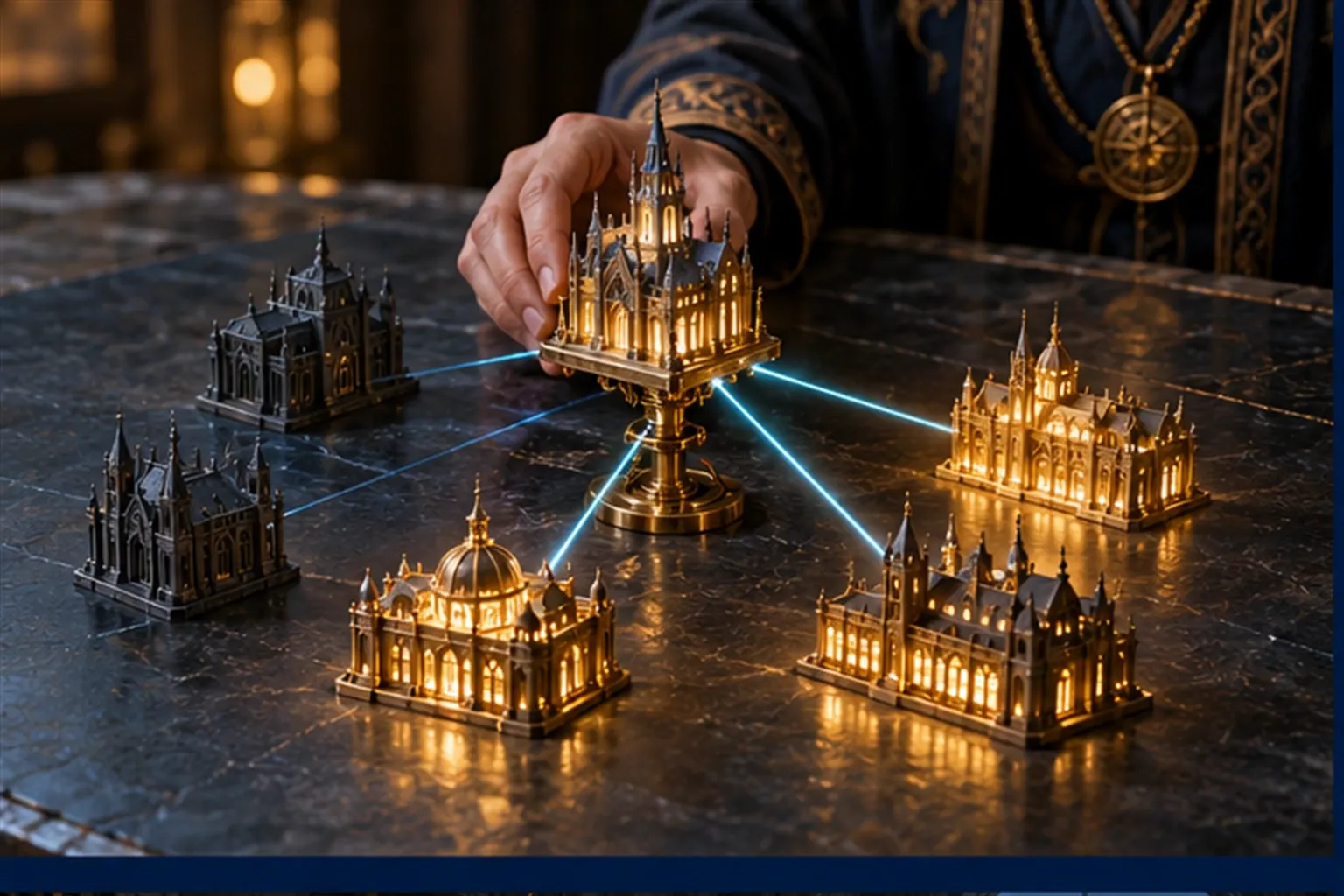
- System of record — for every kind of data (customers, orders, invoices, stock), one system holds the truth.
- Integration patterns — point-to-point links, scheduled syncs and events each have a place; know which you use and why.
- Shared definitions — "customer", "order" and "revenue" mean the same thing in every system and report; integration specialists call this a canonical data model.
- Dependency map — what depends on what, so a change or an outage brings no surprises.
- Ownership — every system and every integration has a named owner and a backup.
- Identity and access — people and agents get the least privilege their role needs, and access is easy to revoke.
- Safe change — every change has an owner, a reason, a test and a way back.
Who knows this topic
- Atlas — maps data, knowledge, integrations and dependencies so the Guild can act from trusted context.
- Hephaestus — builds and maintains the connections between your tools.
- Sentinel — watches systems, enforces policy, identifies exceptions and escalates risk with evidence.
- Athena — receives incoming work, structures it and routes it to the right agent or person.
Where this knowledge is put to work
When systems do not work together, the Guild starts with integration, the Citadel's operating layer and the data architecture underneath. Software Development maps the architecture, isolates the risk and builds a clear production path across applications, integrations, data and infrastructure. Data & Intelligence creates the shared definitions and pipelines. Cloud & DevOps keeps the foundations resilient. Managed digital operations runs the estate after launch, so your team is not babysitting it.