


Product engineering is where product decisions and engineering meet: deciding what to build, for whom and why, then building it so that it works, sells and can grow. The Guild treats the two as one job for one team, because so many product failures happen in the gap between them — a well-built product nobody needed, or the right idea on a foundation that cannot carry it.
The questions change as a product matures; the discipline does not. A clear first customer, a scoped journey, decisions with owners, and a product that is operated after launch rather than handed over and left.
Questions this topic answers
- Who is the first customer, and which journey will they pay for?
- What belongs in the first release, and what waits?
- Who owns product decisions, and where are they recorded?
- How do we know whether the launch worked?
- What changes when the product includes an AI feature or an agent?

Start here
- From SaaS Idea to First Revenue — framing a focused release around the first valuable customer journey, and the thinnest system that can take money.
- Why your website should not be treated as a finished project — the case for running a digital product with an owner, a rhythm and measures instead of a launch and a handover.
- When a business should not build an AI agent — before adding AI to the roadmap: when a rule, a form or a better page serves users better.
- The Governed Agent Blueprint — the seven decisions behind any AI feature that acts on a user's behalf, from the job to the operating owner.
- Agent Production Readiness Kit — deciding whether an agent inside your product is ready for customers.
Key ideas
- Commercial first — a product is built around value someone will pay for. The first question is who pays, and for what result.
- The first valuable journey — release one completes one customer journey end to end rather than starting many.
- A visible scope line — everything on the journey is in; everything else waits on a list people can see.
- Owned decisions — every product trade-off has a named owner and is recorded with its reason.
- Journeys, not features — measure activation, time to value, conversion and retention, not the number of things shipped.
- Launch is the start — every build needs a path to operation: monitoring, support and improvement.
- AI features are product features — they need approved data, bounded actions, evaluation and an accountable person, like any agent.
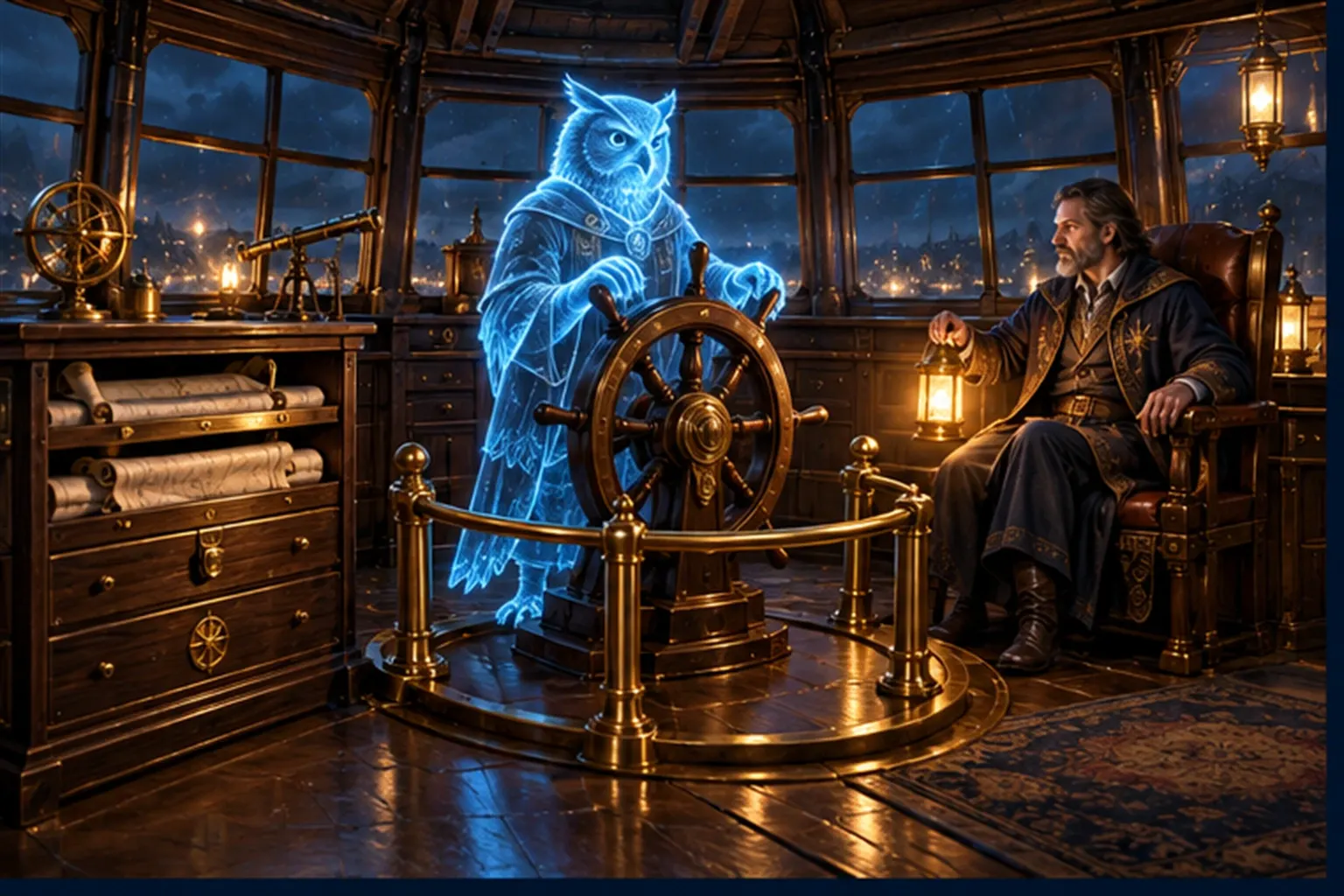
Who knows this topic
On product missions the Guild assembles one team around one architecture and one delivery rhythm:
- Athena — product direction: keeps the mission, the scope and the decisions aligned.
- Hephaestus — engineering and delivery.
- Atlas — systems and integration.
- Sentinel — security and readiness.
The accountable human role is the Product & Experience Wizard, responsible for user journeys, product decisions, content and experience quality.
Where this knowledge is put to work
SaaS & Platforms takes a product from commercial brief through architecture, launch and managed evolution; every build has a defined outcome, explicit scope and a path to managed operations after launch. Build your SaaS sets out the capabilities a product needs, from architecture and billing to analytics and telemetry. Software Development adds capabilities to existing products, and managed digital operations keeps them running.

Have a product idea? Start with the customer and the journey, then the build.