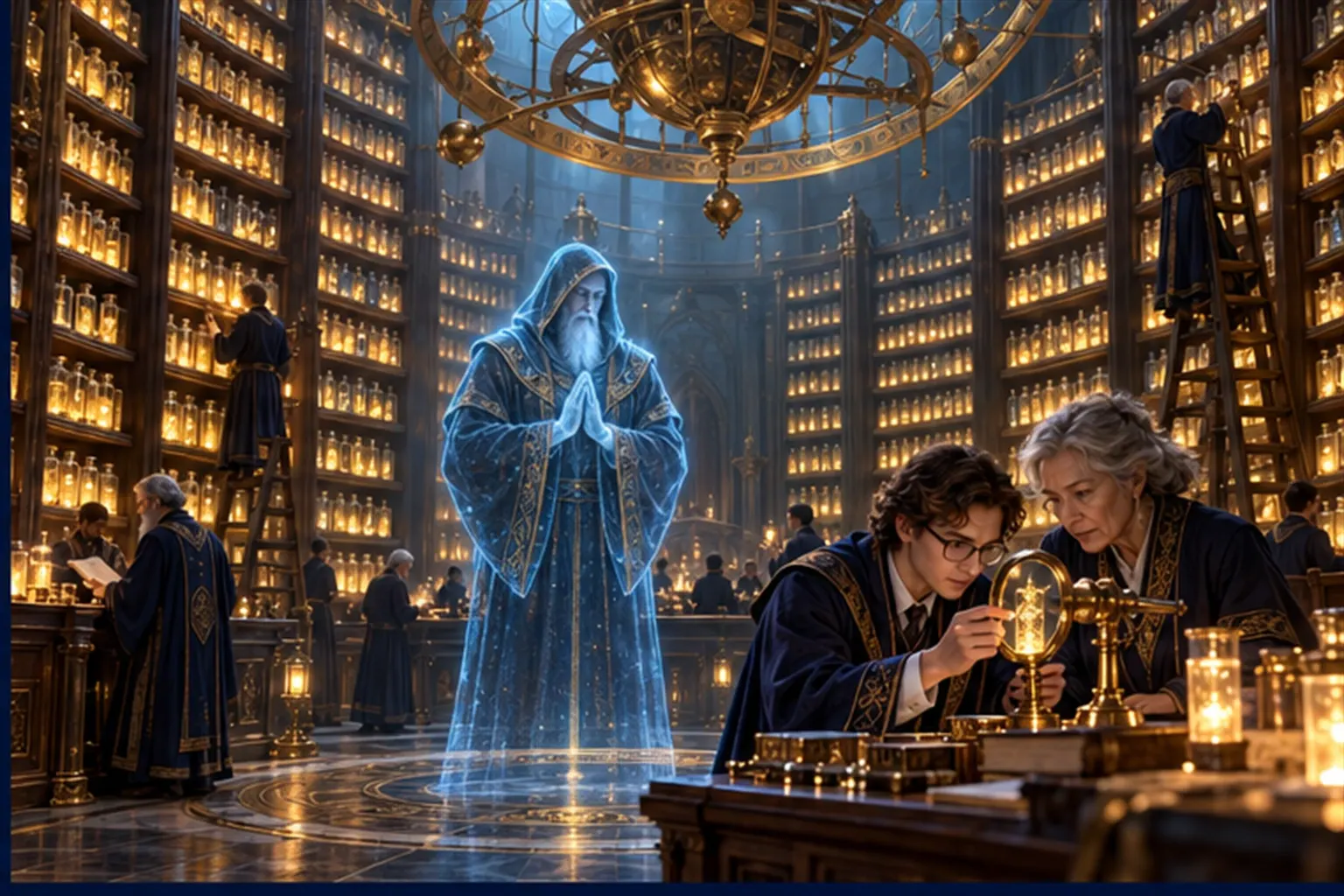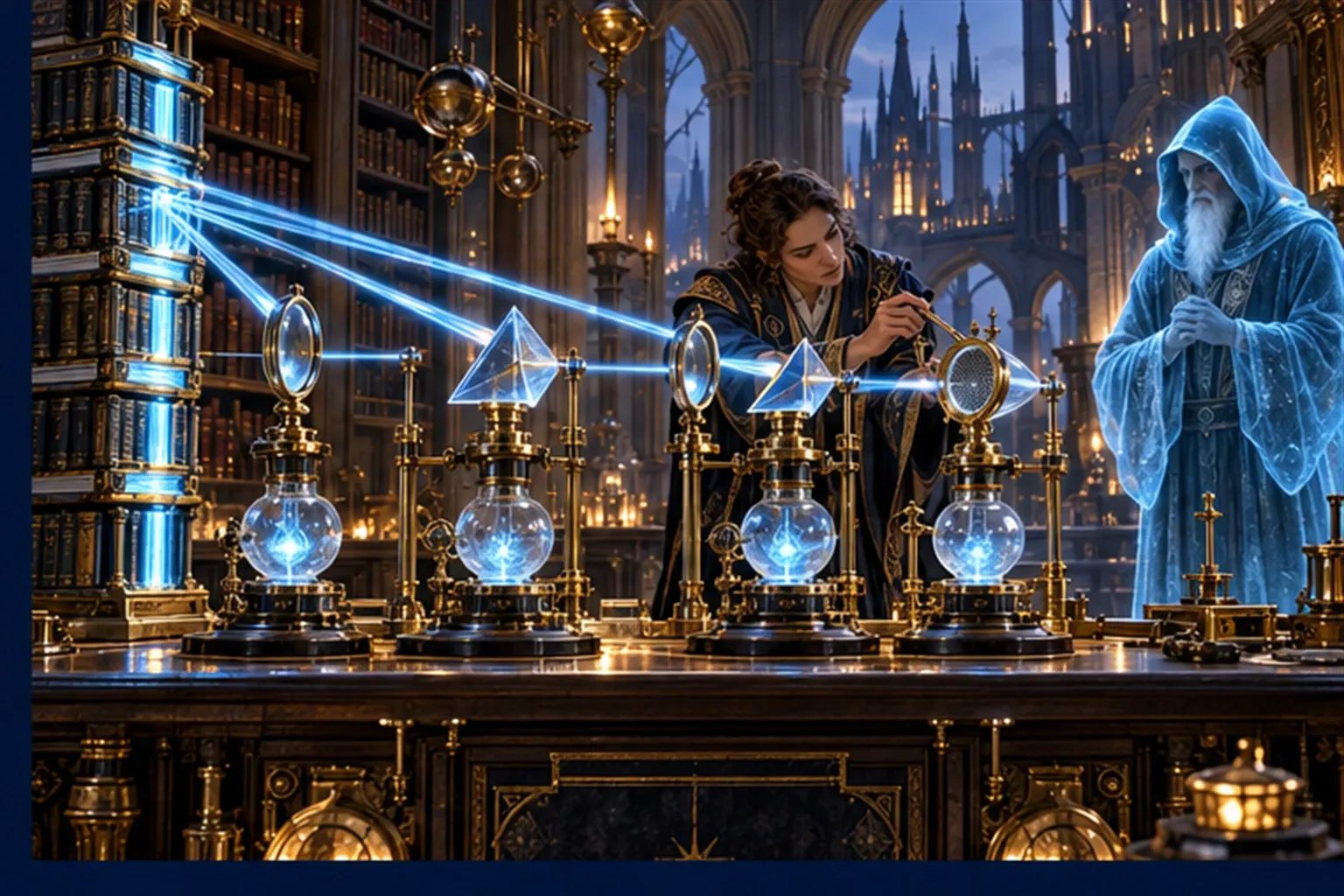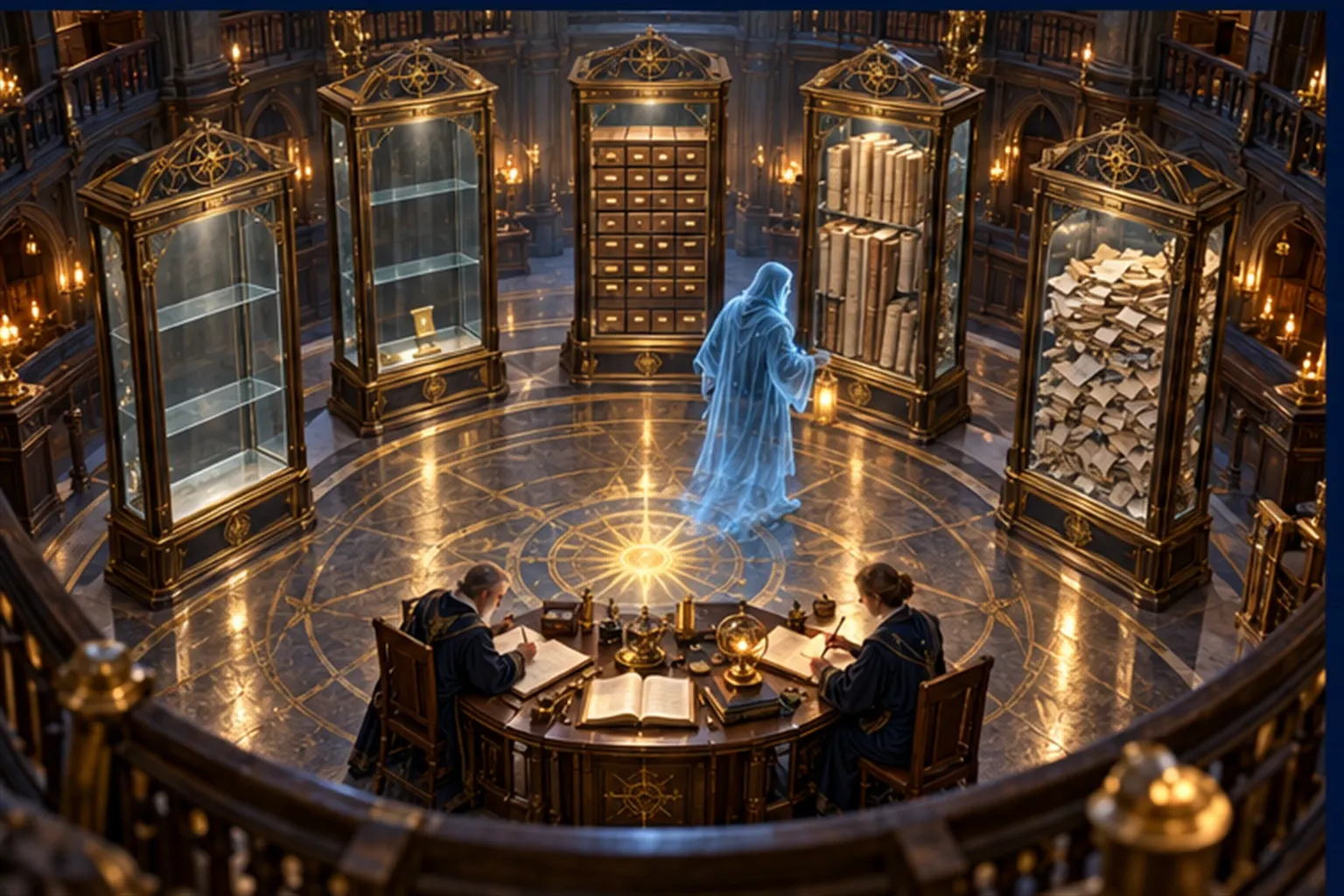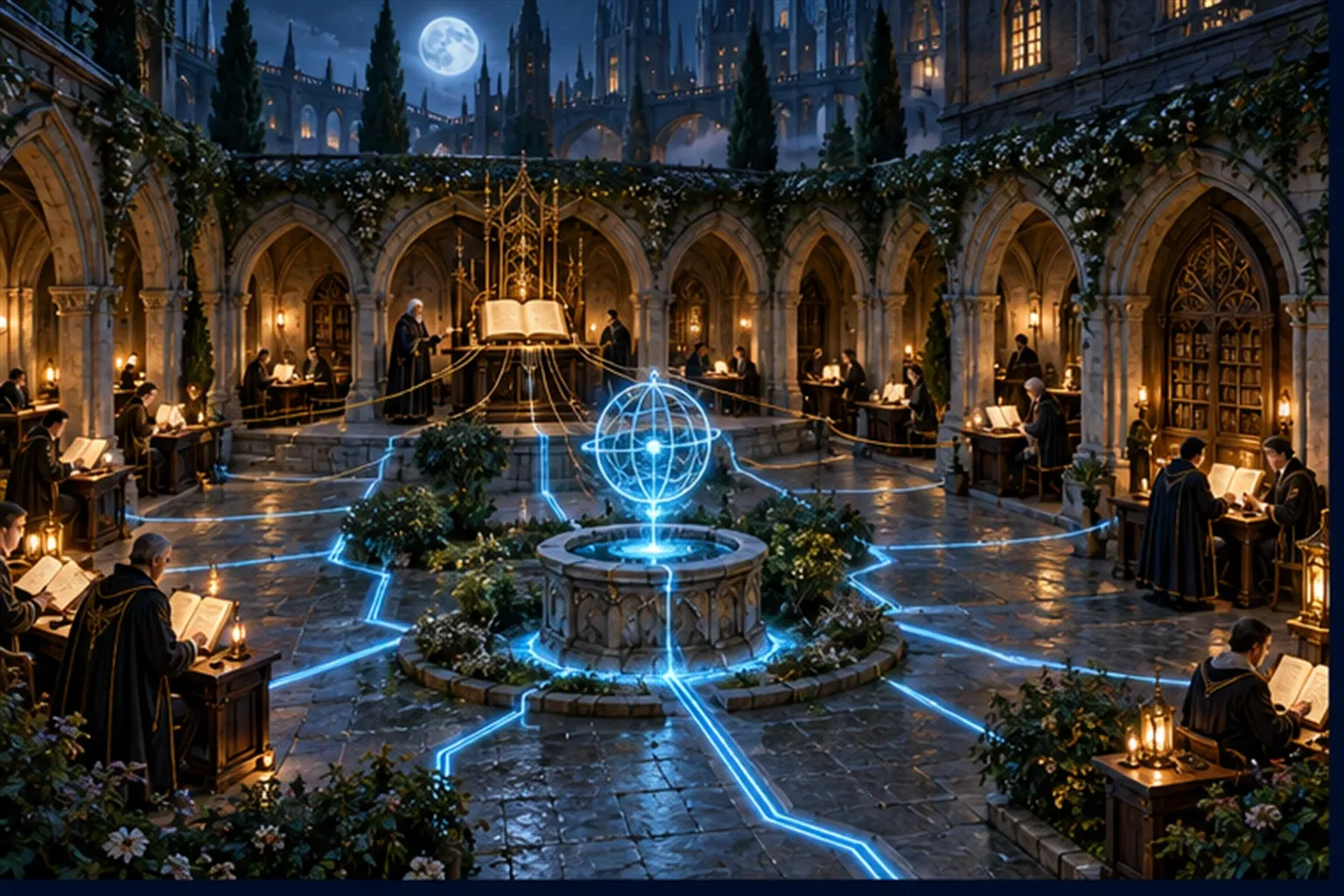
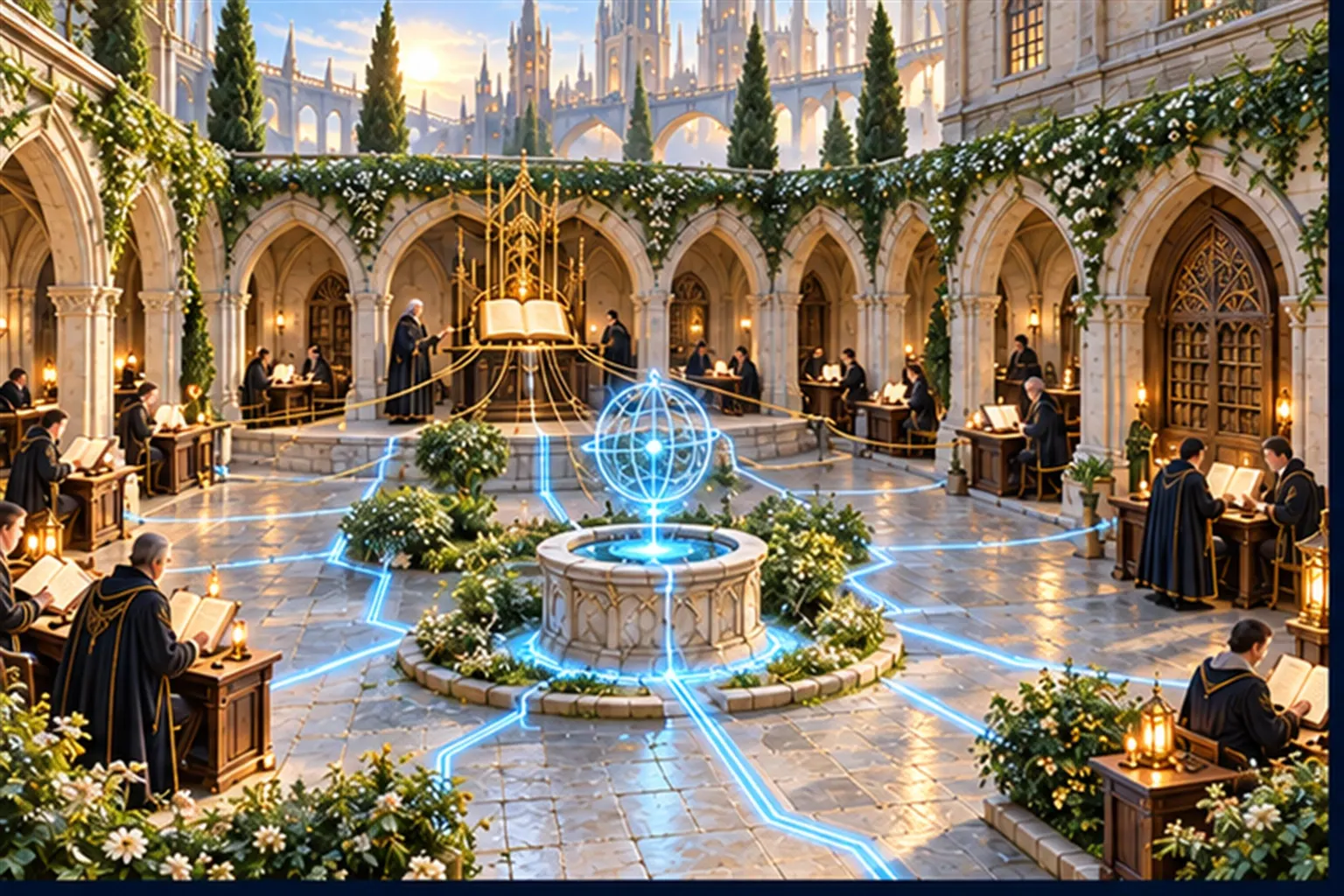

An agent can only be as good as what it is allowed to read. A knowledge system is how an organisation decides what that is: which sources are approved, who owns them, how fresh they are, who may see what, and how every answer points back to where it came from. It is not a database with a vector index. It is a living system that connects what an organisation knows with the operational context where decisions are made.
Three things are often confused here, and each needs its own design. Knowledge is approved, owned content that an agent answers from. Data is operational records, queried live through tools. Memory is what an agent keeps from its own work. Many failures in this topic come from treating one as another.
Questions this topic answers
- Which sources should our agents answer from, and who owns each one?
- How do we keep answers current when policies, prices and products change?
- How do we stop an agent showing someone what they may not see?
- When should an agent retrieve from an index, and when should it query a live system?
- What should an agent remember between conversations — and what should it forget?
Start here
- Building a Production AI Knowledge System — Field Guide 017: architecture, components, evaluation and failure modes, from ingestion to citations.
- RAG architecture — retrieval-augmented generation is a retrieval problem first; the decisions that matter more than the vector database.
- Building a modern company Knowledge Center — one governed home for what a company knows, written once and served to staff, customers, agents and answer engines.
- Memory is not a database — the four things people call memory, and the patterns for an agent that genuinely needs to remember.
- Knowledge retrieval evaluation framework — testing that an agent finds the right passage, cites it, abstains when the answer is missing and never shows anyone what they may not see.
For memory in depth, read How agent memory should work. The Forge's protocols on retrieval for operations and agent memory architectures set out how both are being tested.
Key ideas
- Ownership — every source has a person responsible for its accuracy. Without one, retrieval only makes the disorder faster.
- Freshness — changes reach the agent quickly; superseded content is retired, not left to compete.
- Permissions at retrieval — the agent retrieves only what the person it serves may see. The model is never asked to keep a secret.
- Cite or abstain — every answer points to its source, or the agent says the answer is not in the approved knowledge.
- Retrieved text is data — instructions planted in documents are not obeyed.
- Memory with provenance — what an agent remembers records where it came from, and when it should be forgotten.
- Feedback to owners — wrong and unanswered questions become the owners' to-do list.
Signs the knowledge system needs work
- Two people ask the same question and get different answers.
- Answers are correct for last year's policy.
- Nobody can say who owns the document an answer came from.
- The agent answers confidently when the answer is not in any approved source.
- Unanswered questions are logged, and nobody reads the log.
Each of these is a knowledge problem, not a model problem. A better model will only state the wrong answer more fluently.
Who knows this topic
- Atlas — maps data, knowledge, integrations and dependencies so the Guild can act from trusted context.
- Merlin — memory architecture, and the experiments that test it.
- Oracle — measures retrieval accuracy and citation quality on the scorecard.
- Sentinel — permissions, retention and the boundaries around what agents may read.
Atlas's human checkpoint is the Platform Wizard.
Where this knowledge is put to work
AI Engineering begins with a Knowledge Foundation: a source inventory, permission-aware retrieval, and freshness and citation rules. Data & Intelligence maps the data landscape so that agents and people work from the same definitions. Media Intelligence turns archives of video, audio and images into searchable, governed memory. On Security, trust & governance, approved knowledge — source ownership, freshness, permissions, citations and retention — is one of the six controls, each visible in the Citadel.